Sleev
Wearable Robot for Daily Purposes
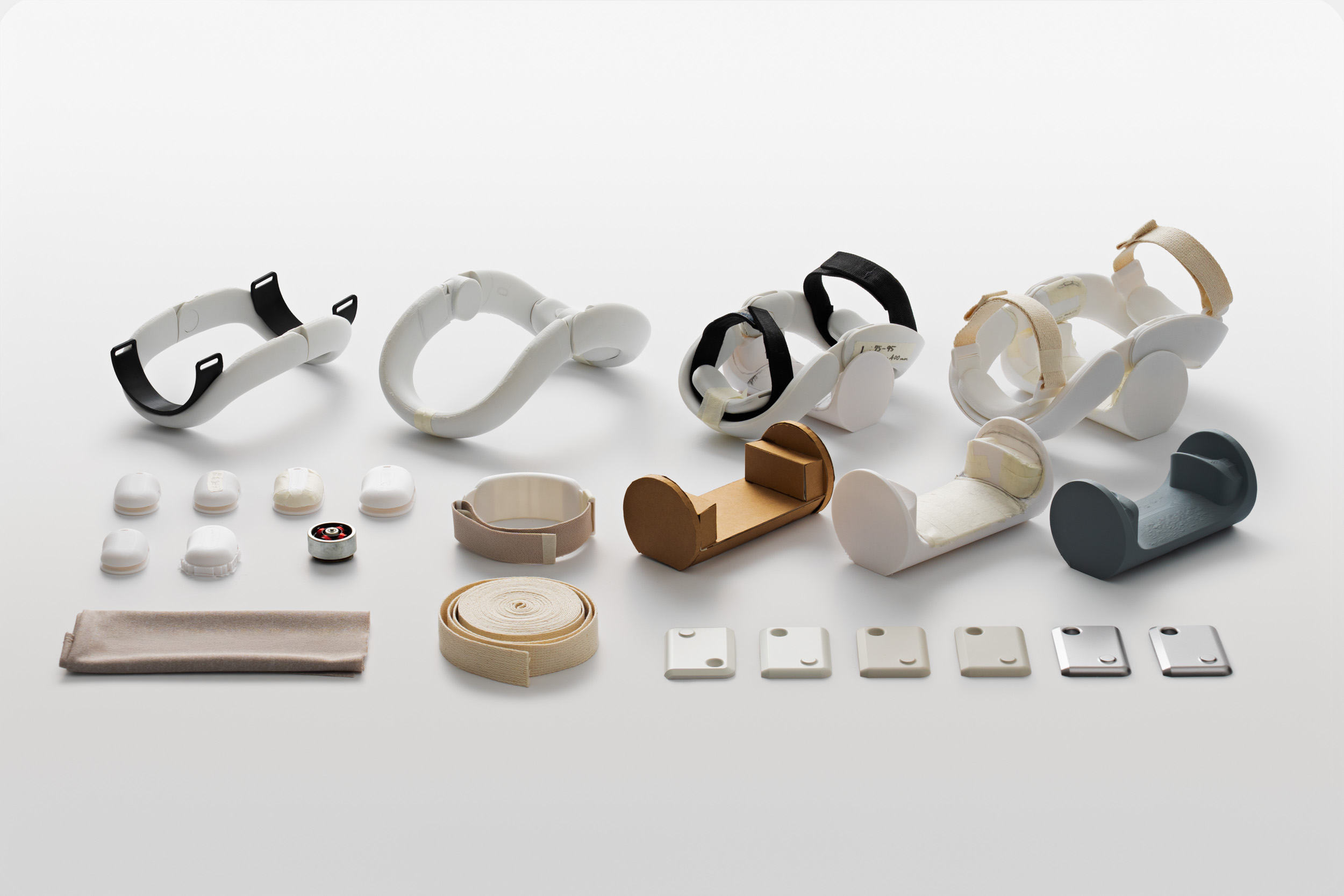
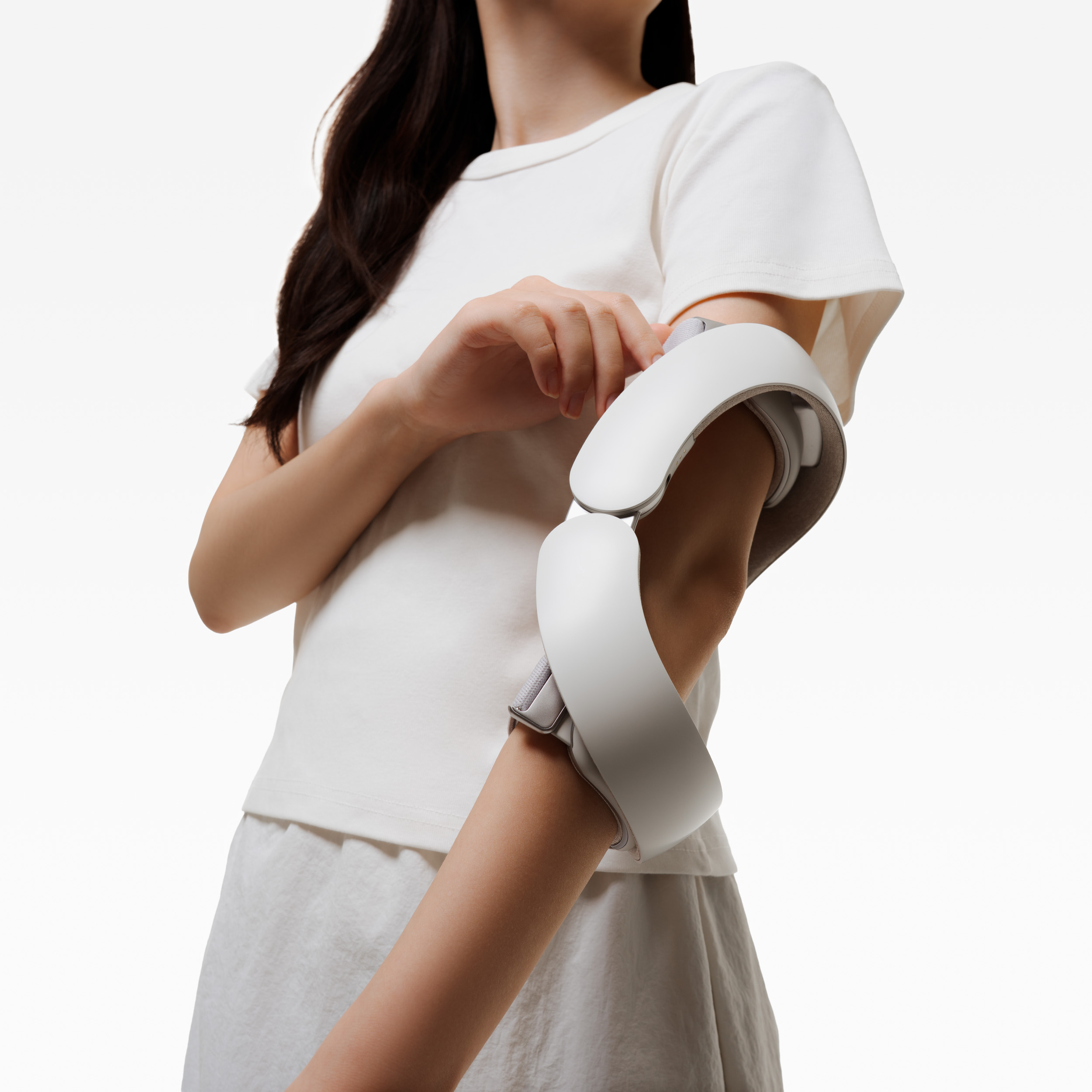
Sleev is a daily upper-limb exosuit (wearable robot) designed to support independent arm movement. It addresses common issues found in conventional wearable robots—namely, complex technology, bulky appearance, and inconvenient usability—through thoughtful design. By seamlessly integrating wearable robot technology into daily life, Sleev promotes user independence by supporting both everyday actions and rehabilitation activities.
Background
Project explanation is available as video (3 min)
As motor technology getting more advanced, wearable robots have developed as well. Through industrial purposes to medical applications, now they can be seen for sports and daily uses. While we were able to find a lot of daily-level-commercialized wearable robots for 'legs'—from concept designs to crowdfunding campaigns—it was difficult to find a commercialized example for 'arms'.
Problem 1. Finicky Tech
The technology commonly used to determine a user's upper-limb movement intention is sEMG (surface Electromyography). However, sEMG requires direct contact with the skin, demands delicate calibration at a medical facility, and relies on high-cost components.
Problem 2. Bulky Design
Existing exosuit designs are heavily technology oriented and often voluminous, which not only compromises aesthetic appeal but also causes physical interference with clothing and other body parts. This makes them difficult to integrate into daily life.
Problem 3. Uncomfortable Experience
Existing exosuits are difficult to wear or take off without assistance, which creates a huge barrier for user independency.
By solving these problems, we propose an upper-limb wearable robot for daily usage. Our goal was to connect the dots between the appropriate technology, the right user experience, and well-considered design.
Using Appropriate Tech
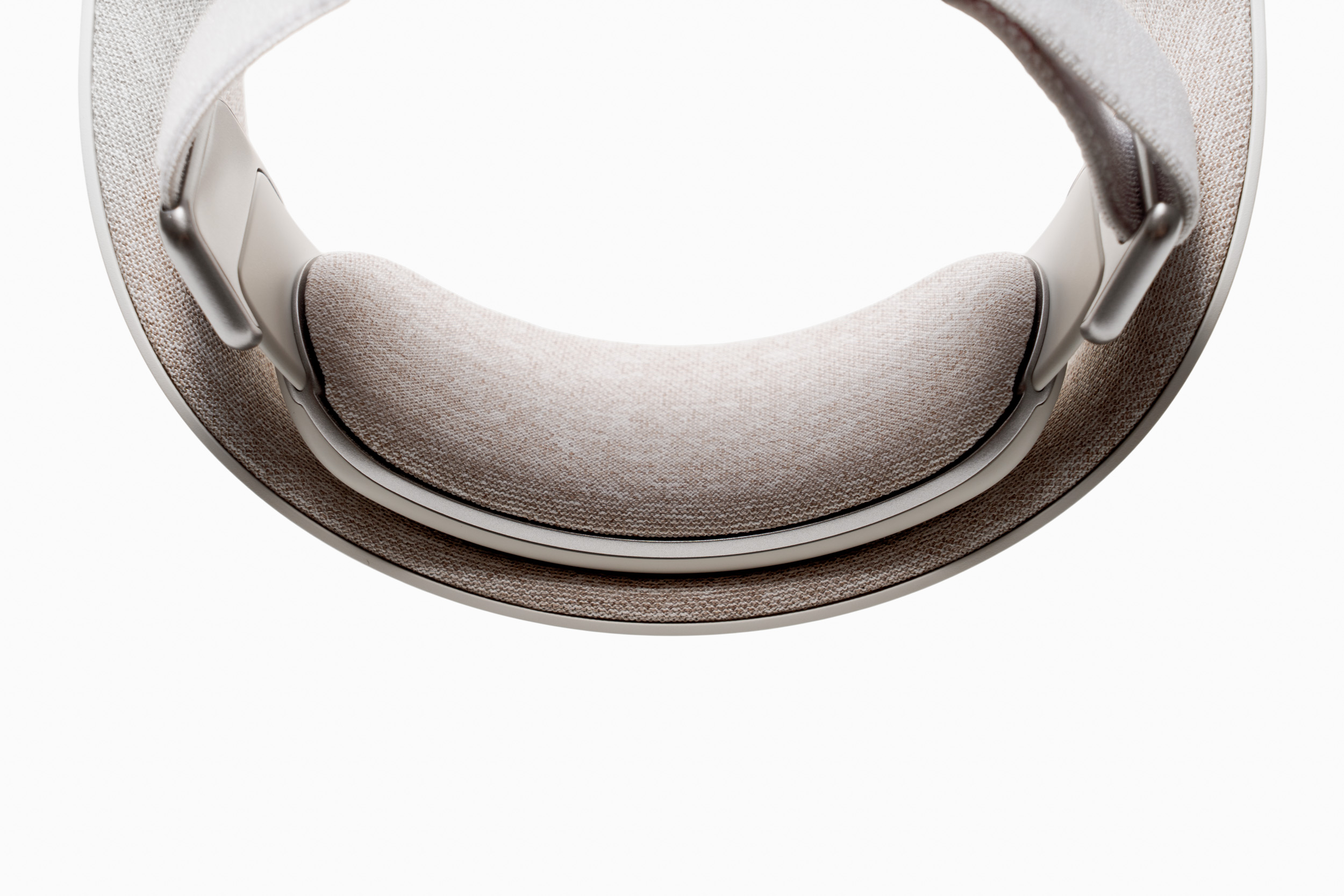
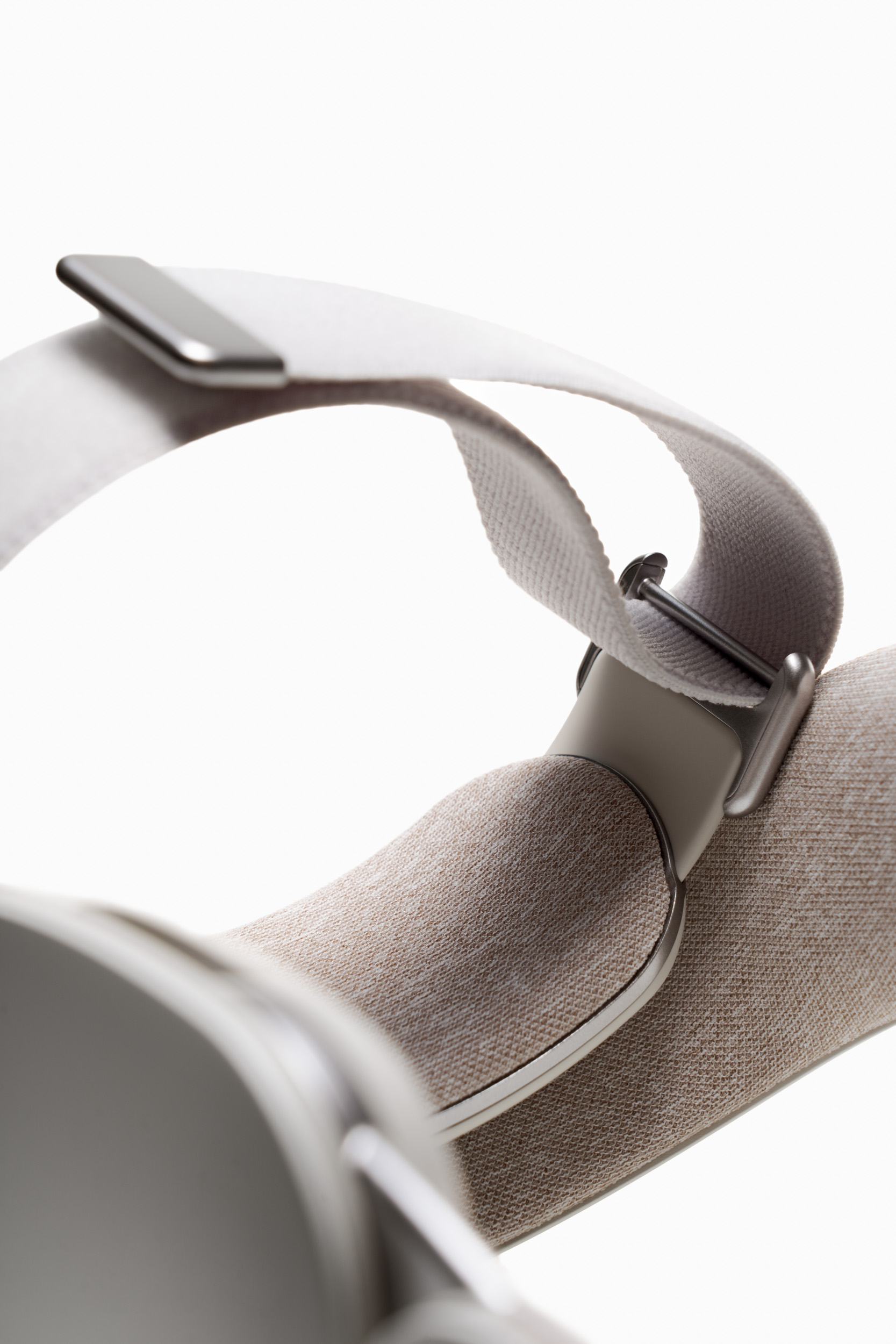
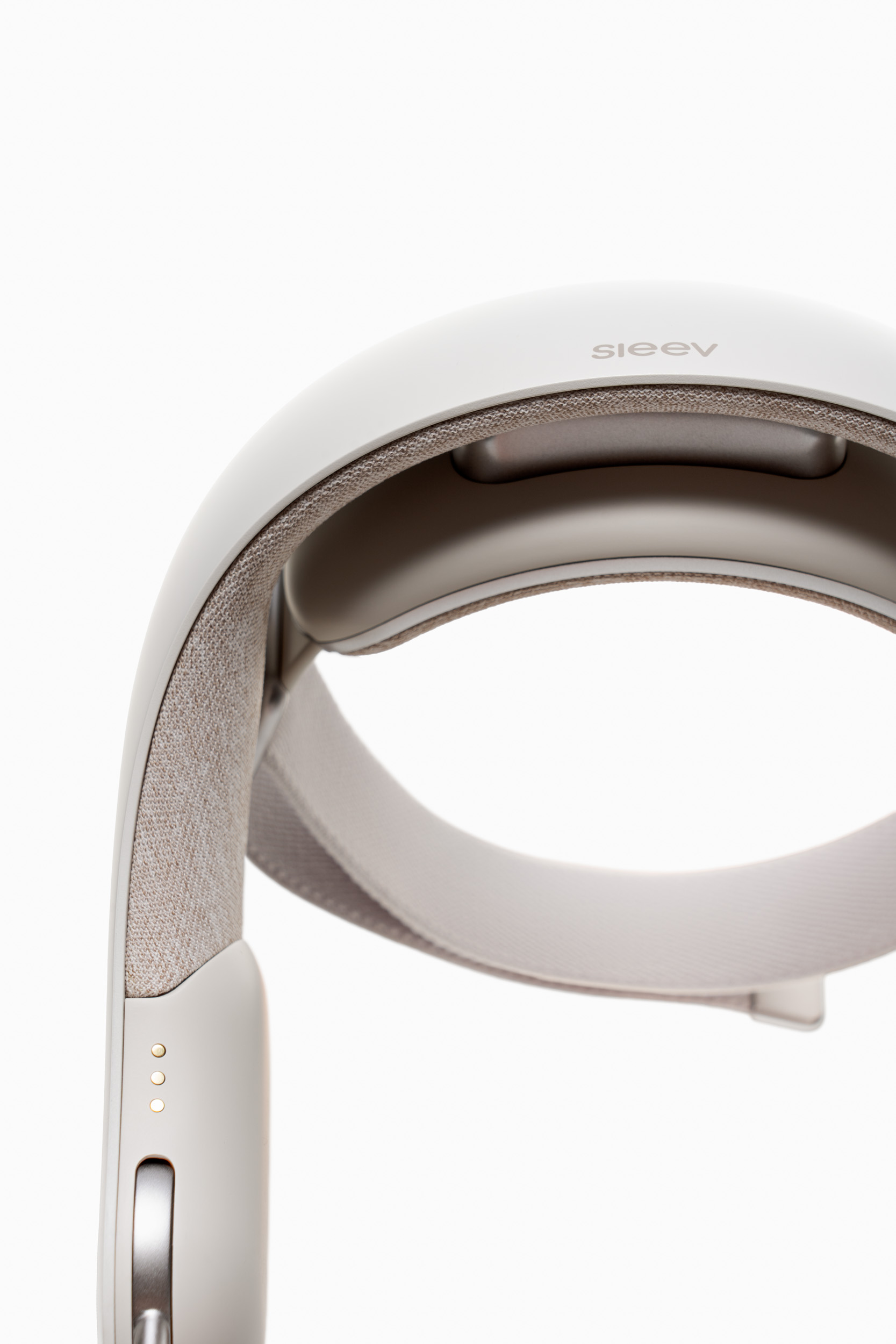
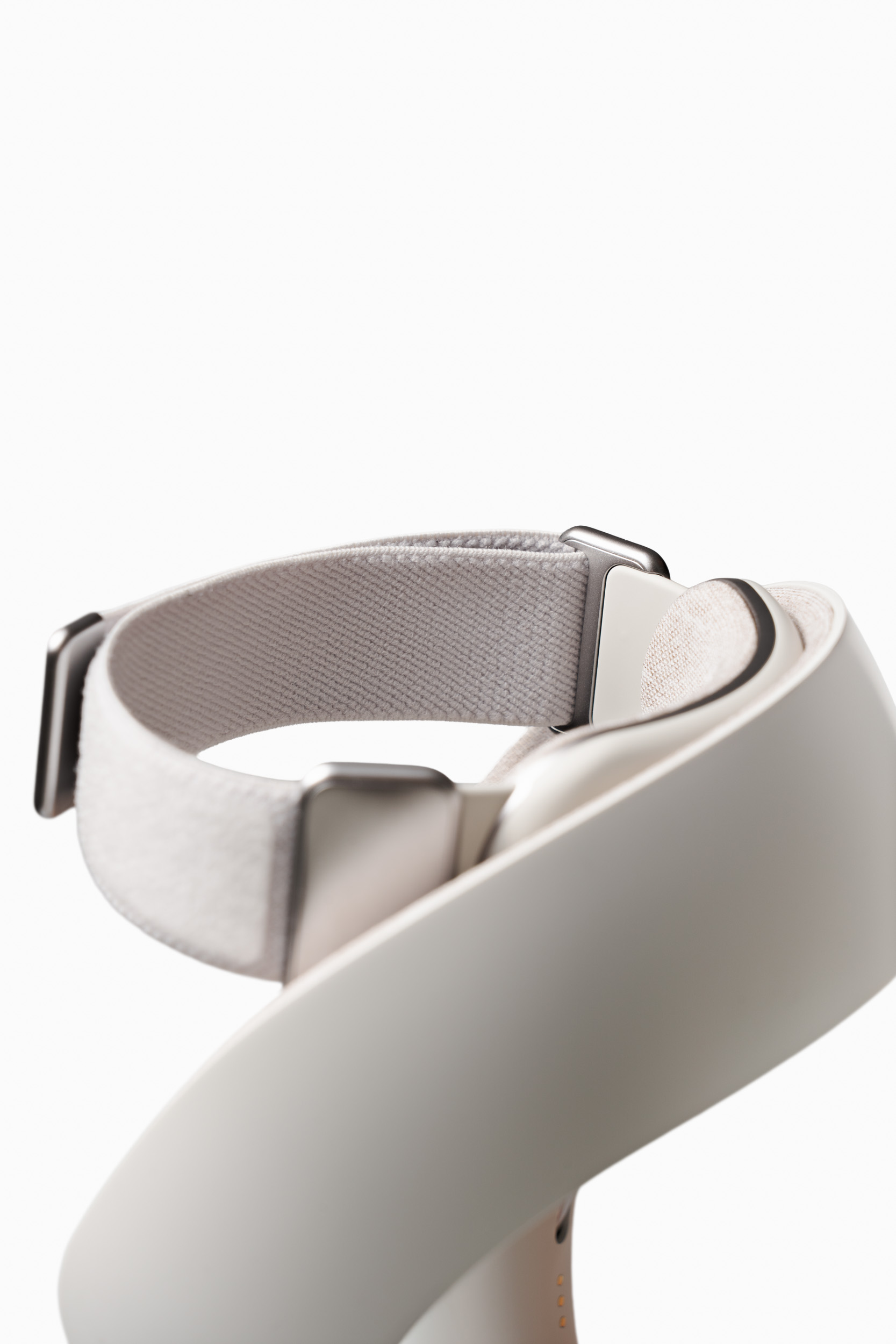
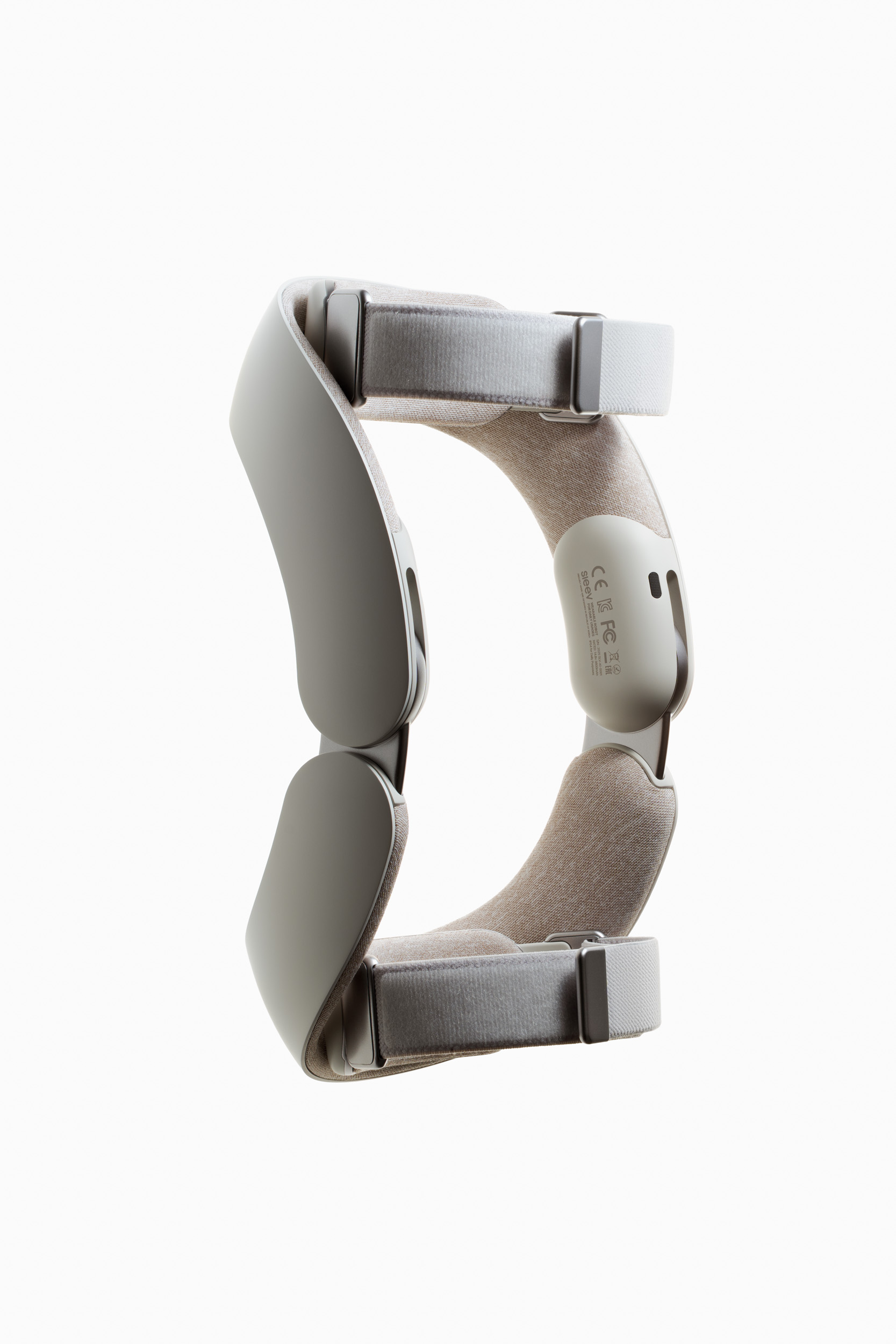
There is a method called FMG (force-myography), which can be used to detect movement intentions through muscle pressures. By including IMU sensors within the algorithm, it would be possible to know precisely (3-dimensional angles and directions) where the user is intending to move. Both sensors are easily affordable and commonly used in many other electronics (e.g. game controllers).
The integrated pressure sensors can detect subtle pressures of the upper/lower arms—contracting the arm causes muscle expansion which leads to higher pressure (and relaxation vice versa). The average muscle pressure has a relation with the user's physical data, therefore it is predictable by entering height, weight, age, and gender. Data accuracy improves as more people use this.
Technical advisory from Dr. Hanbit Jin (ETRI, 지능형센서연구실)
Designed to Blend-in
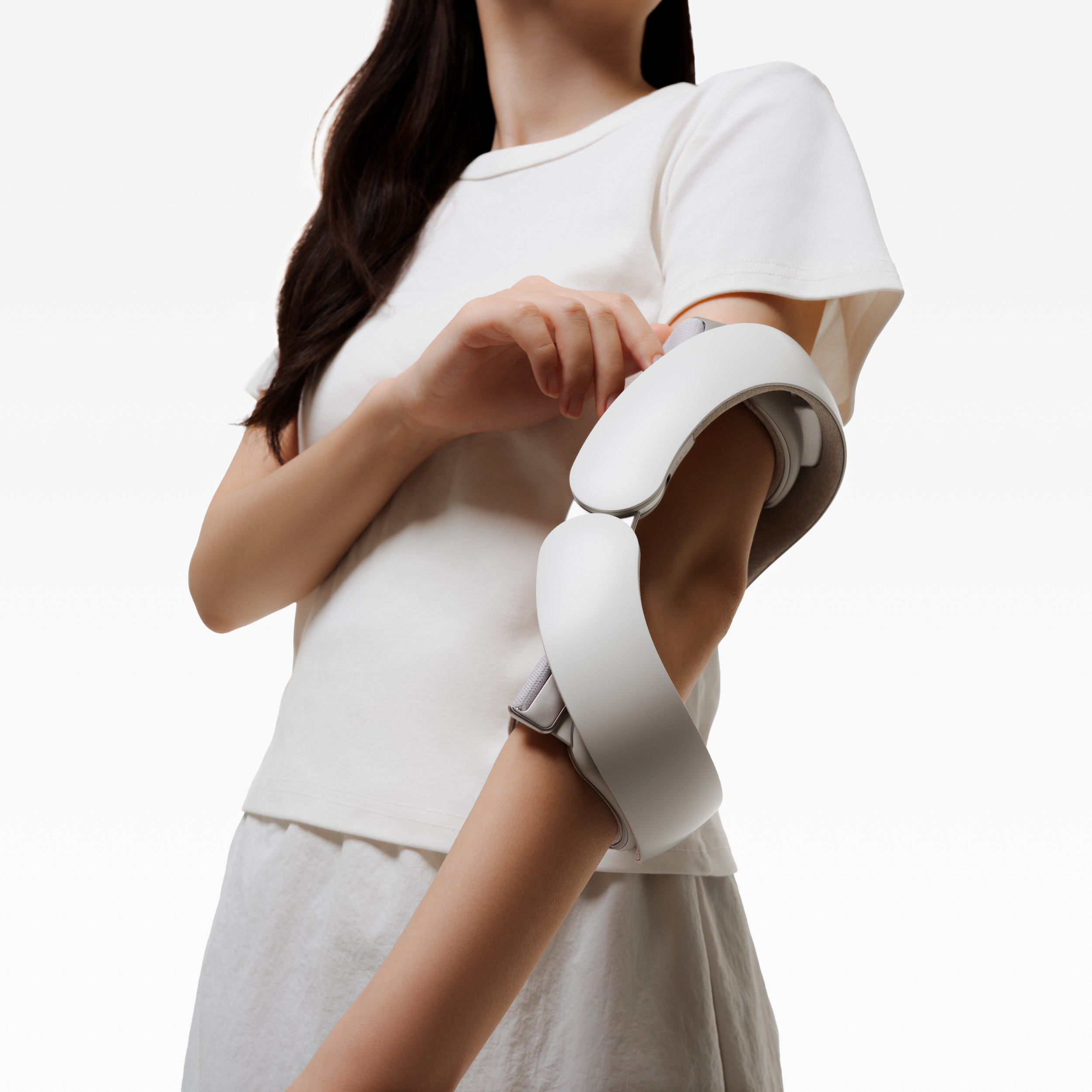
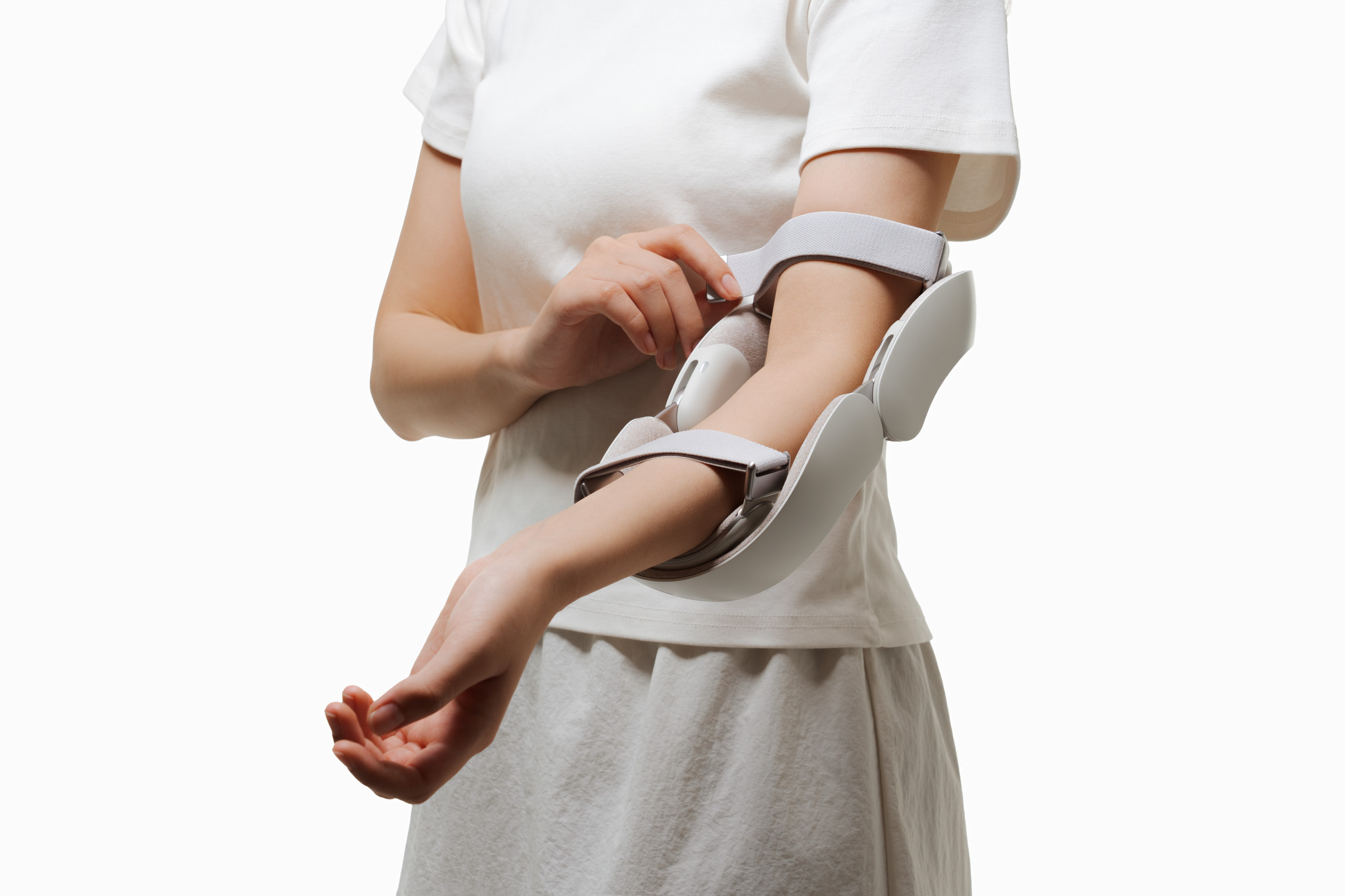
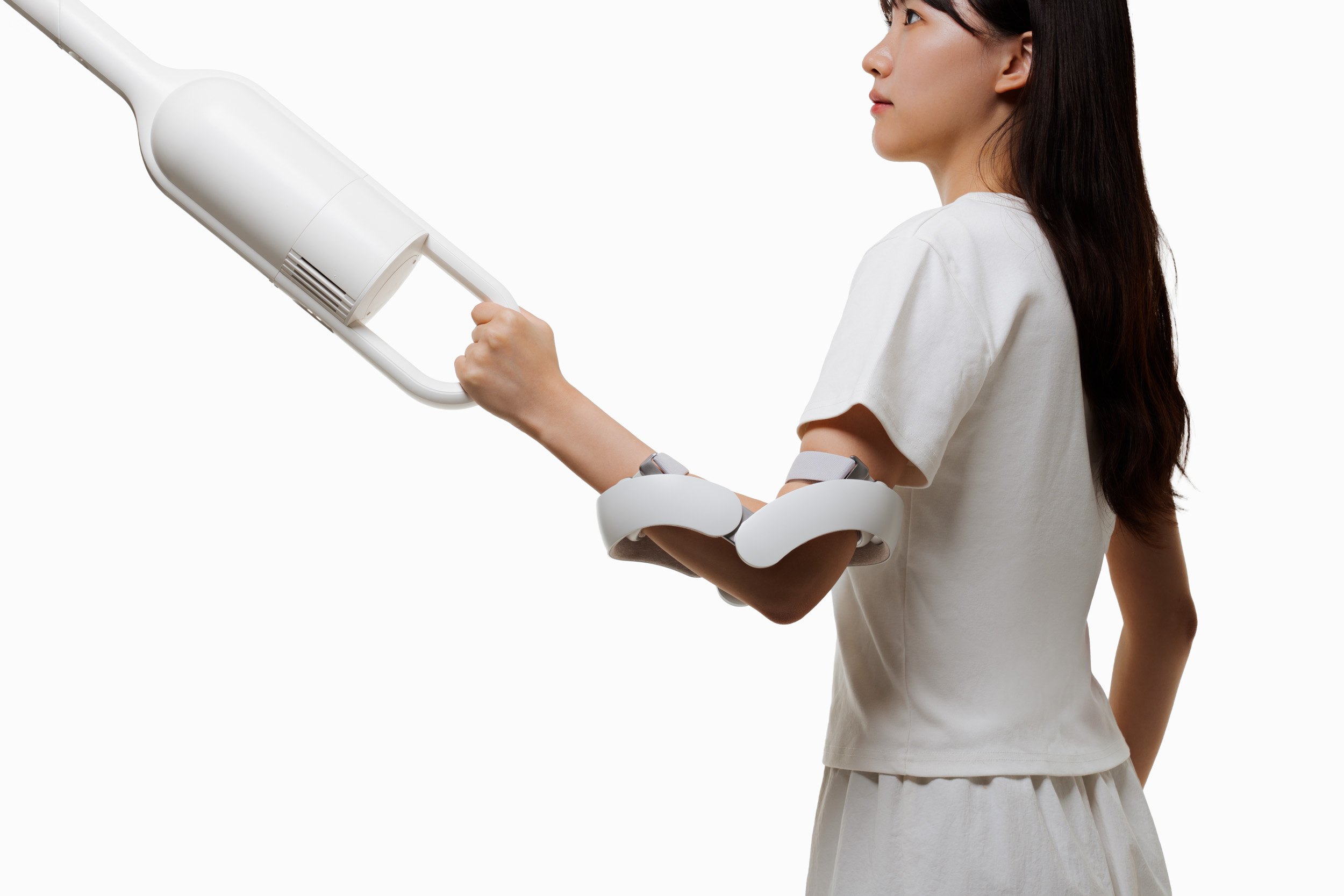
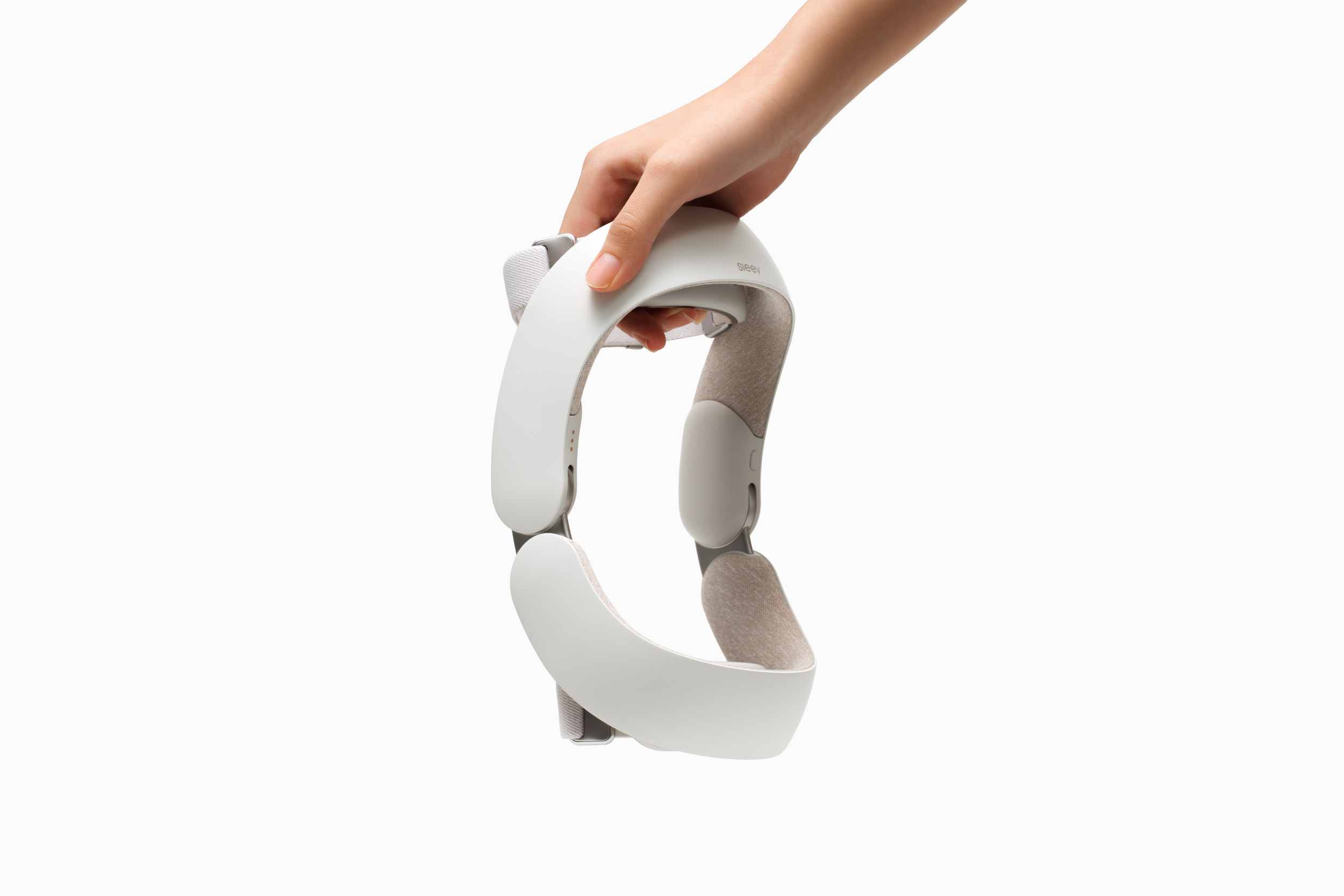
Sleev does not require direct skin contact, so it is possible to wear over thin innerwear. Applying the technology from the user's perspective, the design intention was to give support while not disturbing the daily experience.
The actuators on the sides of the elbow deliver vertical force, enabling the arm to move and hold at specific angles. In cases like lifting a heavy grocery bag, or for parents holding up a child for a long time, this would be especially useful.
With Context in Mind
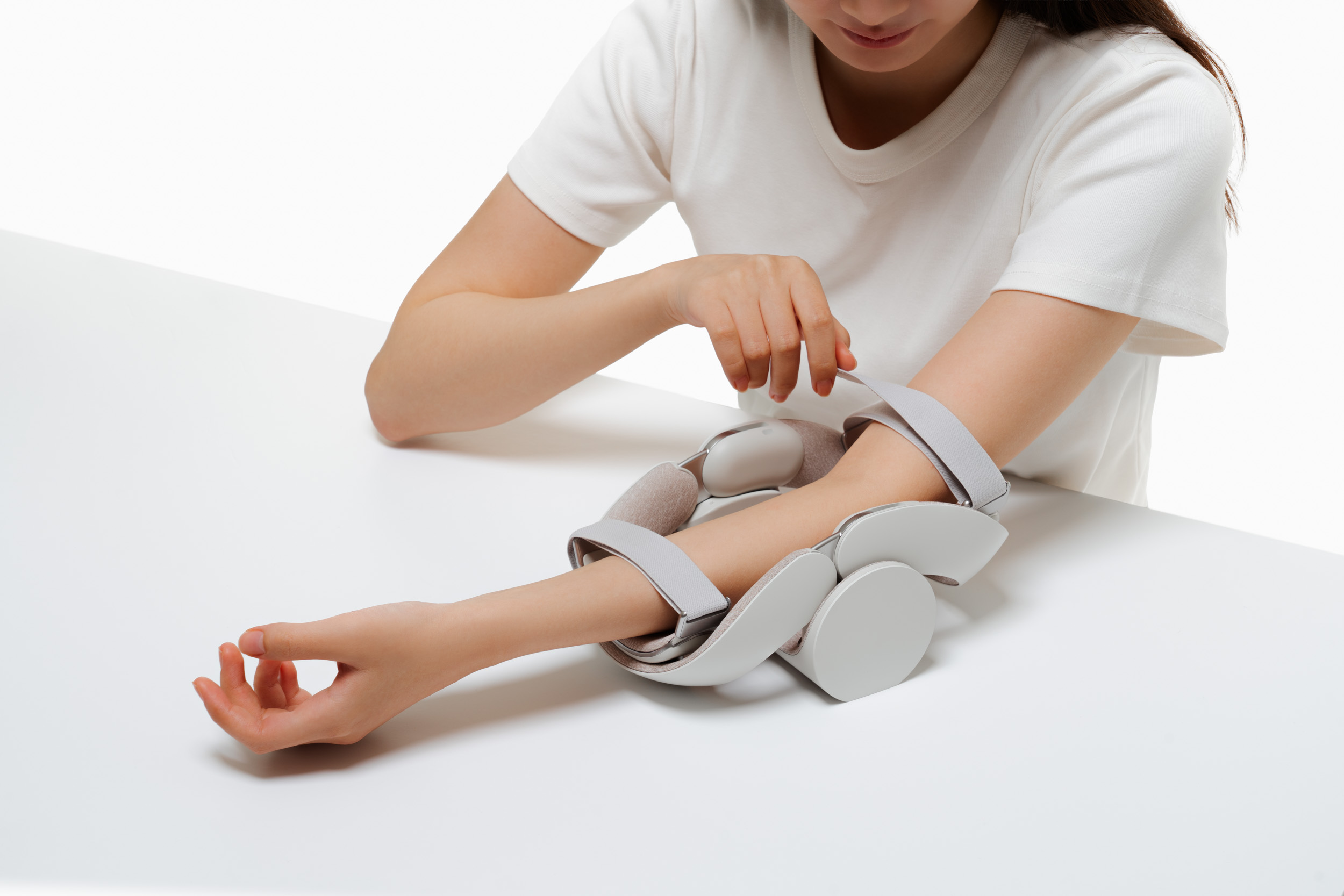
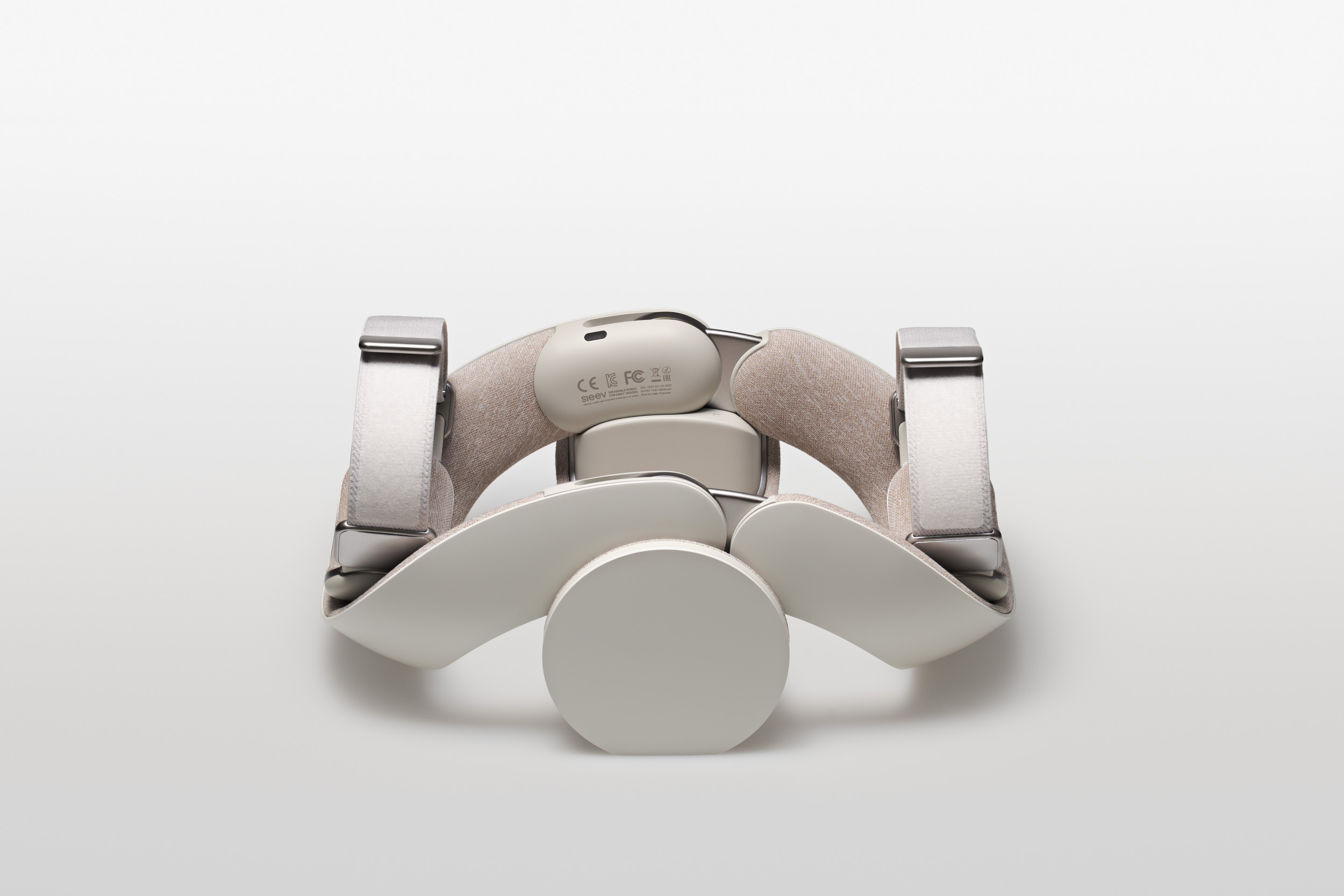
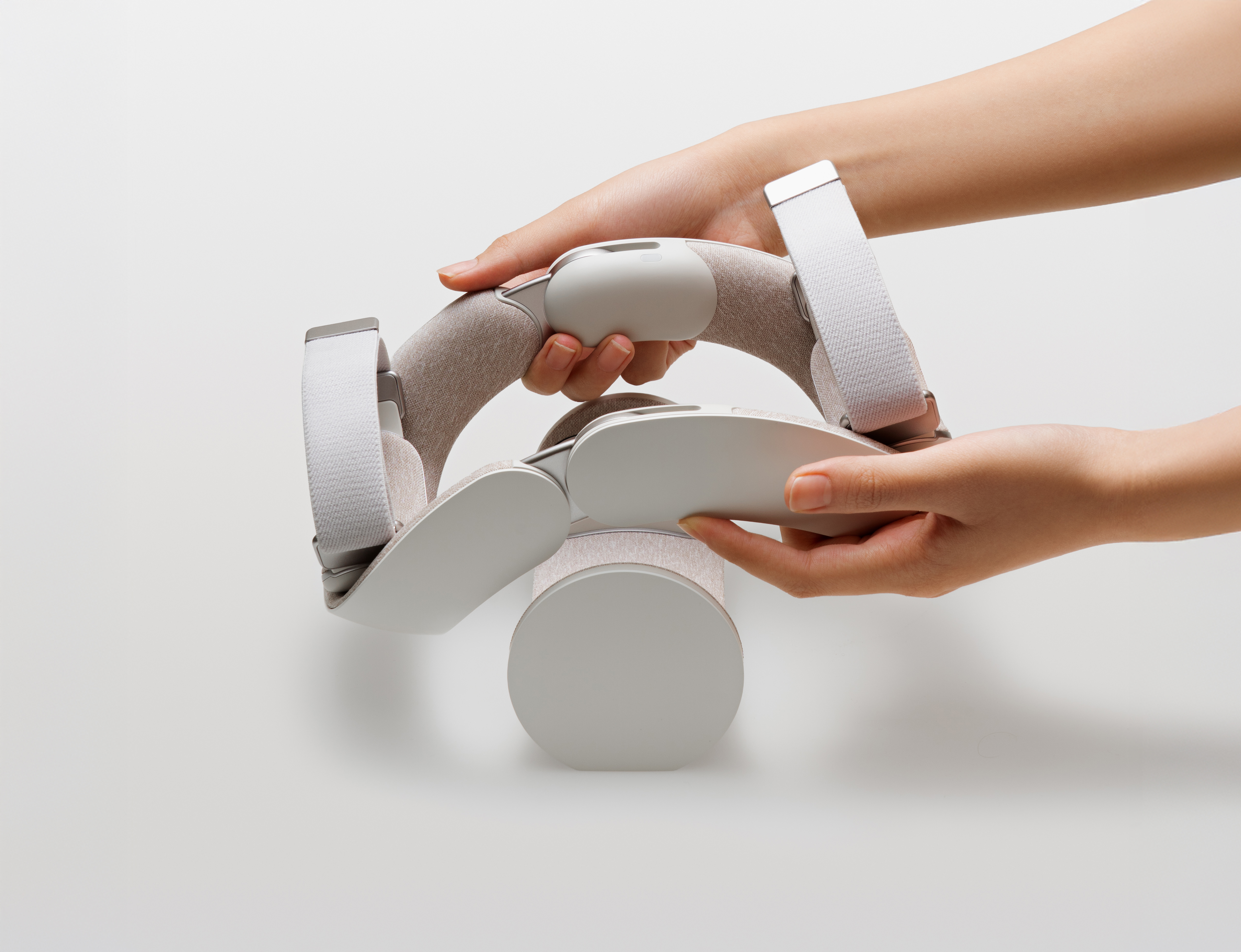
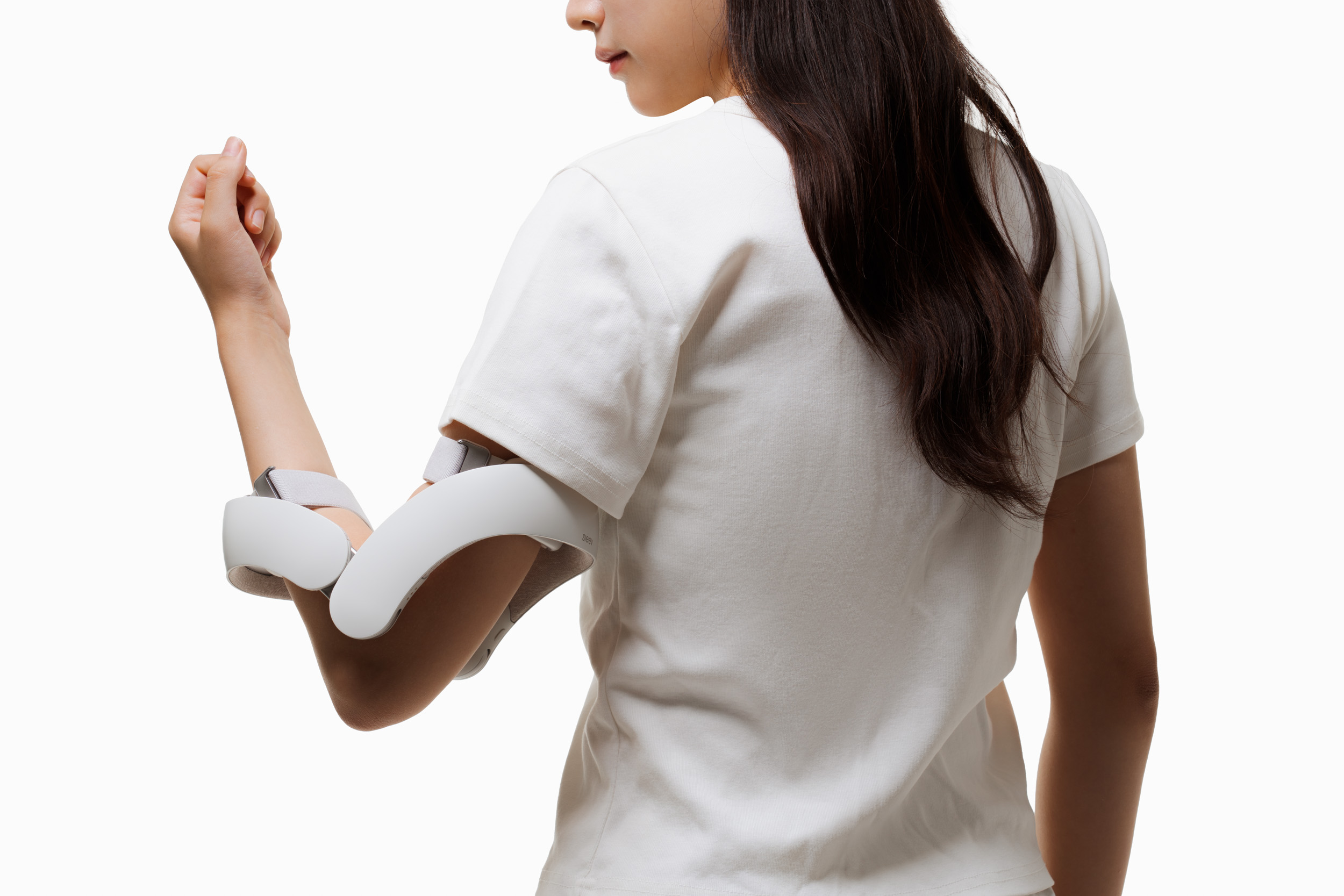
For the user's independent experience, we considered the context of usage from multiple angles. With the arm resting on the charging cradle, the robot is designed to be worn with one hand without assistance. To reduce repetitive control, daily routined motions can be pre-set with a voice command.
사용자의 독립적인 사용경험을 위해 여러 측면의 맥락 또한 함께 고민했습니다. 도움을 받지 않고도 충전 크래들 위에 팔을 올려서 한 손으로도 로봇을 착용할 수 있도록 디자인했습니다. 매번 조작해야 하는 불편함을 줄이기 위해 반복적인 일상 동작은 보이스 프리셋으로 설정할 수 있게 했습니다. 액추에이터에 저항을 주는 방식으로 슬리브는 재활 모드를 지원합니다.
Details
.jpg)
.jpg)
.jpg)